

 Markdown Monster
Posts related to: ASP.NET Core
Protecting File Access in the wwwroot Folder in ASP.NET
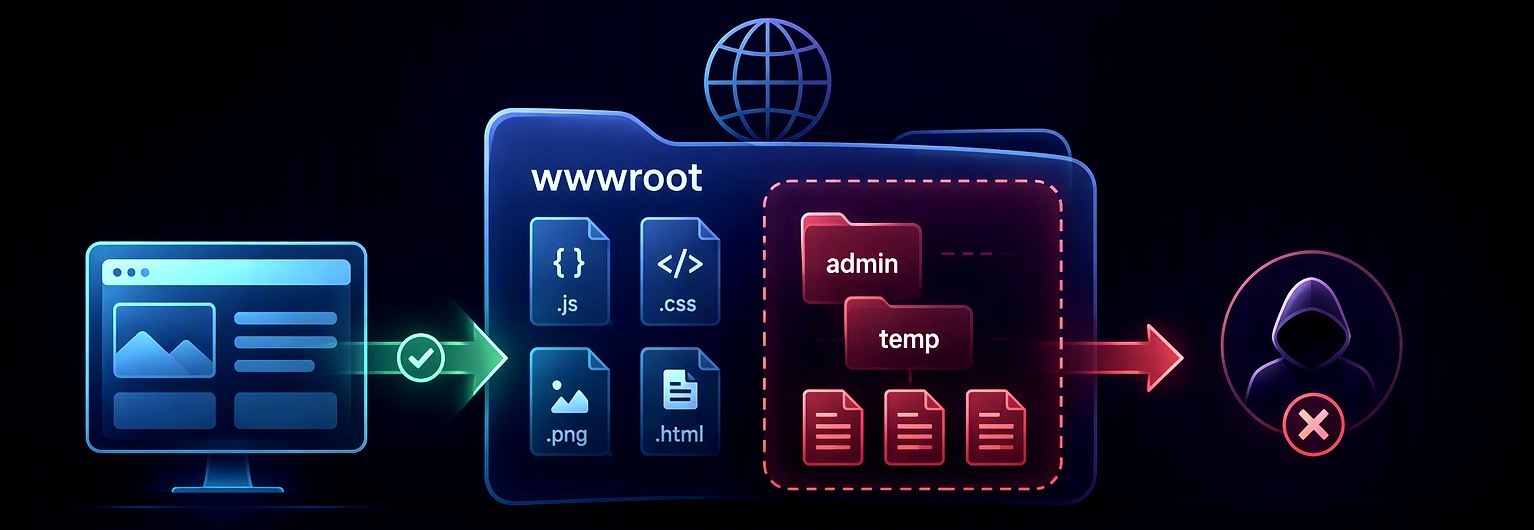
ASP.NET Core treats files in wwwroot as public static content, but occasionally applications create files there that should only be available to authorized users. In this post I look at several ways to protect those files and show a small middleware solution that lets selectively access files easily.
Map Physical Paths with an HttpContext.MapPath() Extension Method in ASP.NET
-Extension-Method-in-ASP.NET/MappingPathBanner.png)
ASP.NET Core doesn't have a Server.MapPath() method as classic ASP.NET had, and getting at the root path in Core is a little bit more involved than in those older versions. In this post I describe how to find the application Content and Web root folders and describe a MapPath() helper that simulates the old behavior.
Back to Basics: Rewriting a URL in ASP.NET Core

Sometimes in an application you need to take over the routing process with some custom processing that acts on an incoming URL and actually has to go to another URL. This can be a simple relinking task from old content to new, or it can be more complex where you access a specific URL on the public site that actually needs to be processed by another URL altogether.
Accepting Raw Request Body Content in ASP.NET Core API Controllers

When posting raw body content to ASP.NET Core the process is not very self-explanatory. There's no easy way to simply retrieve raw data to a parameter in an API method, so a few extra steps are provided using either manual handling of the raw request stream, or by creating custom formatter that can handle common 'raw' content types in your APIs via standard Controller method parameters. In this post I look at various permutations and how you can access the raw data in your code.
ASP.NET Core and CORS Gotchas

CORS is a requirement for cross domain XHR calls, and when you use Angular 2.0 default dev server and talk to an ASP.NET Core application you'll need to use CORS to get XHR to talk across the domain boundaries. Here's how to set up CORS and how to test it.